Yosuke Sekiguchi Treats Handwork as a Design Constraint
Yosuke Sekiguchi’s Primevère is not merely decorated by hand after an industrial design process. Antique references, hand drawing, difficult hard-state finishing and high component rejection rates shape the watch from the beginning. Human limits therefore influence its appearance, production volume and price as much as its historical inspiration.
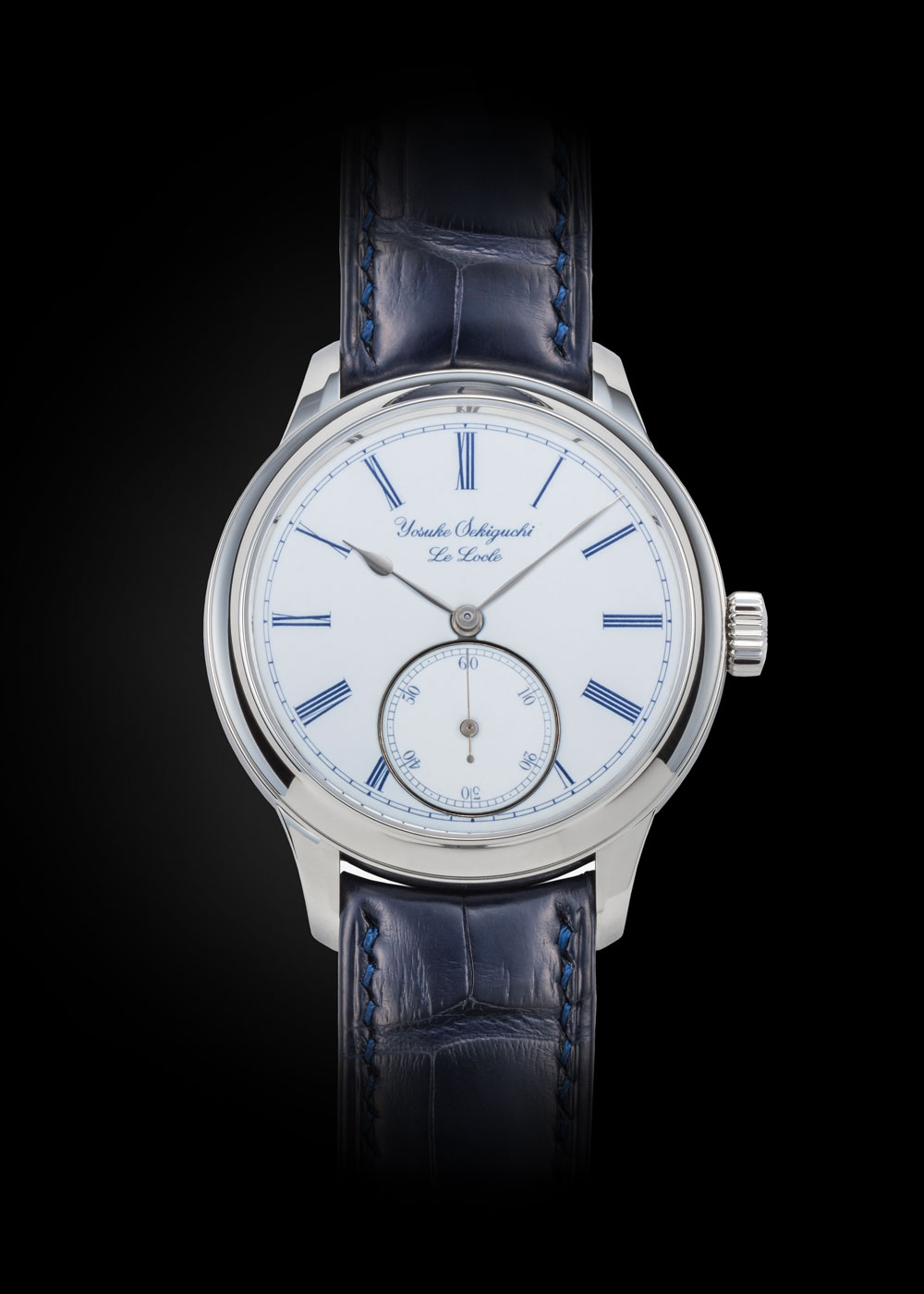
In brief. Sekiguchi’s refusal of computer-led design is not nostalgia by itself; it shapes production volume, visible imperfections, component failure rates and the aesthetic language of a watch built around human limits.[1] [2] [3] [4] [5] [6] [7] [8]
From Restoration to a Le Locle Workshop
Yosuke Sekiguchi founded his namesake workshop in Le Locle in 2020 after training in France and working in Swiss movement development and restoration. Sekiguchi says he avoids computer-aided design, instead drawing by hand with antique compasses and references including an 1827 technical book.[1] [2]
Sekiguchi’s restoration and movement-development background gives context to his current workshop. Founding in Le Locle placed the project inside a Swiss watchmaking centre while preserving a personal method developed through training in France and work on historical mechanics. That path helps explain why construction history remains active in the new watch.[1] [2]
For collectors, the relevant task is to separate what the sources document from what still requires experience. Trace the training and restoration background that informs the current method. The cited material establishes these points, but it does not support broader claims about long-term ownership, measured performance or future market value.[1] [2]
Designing Without Computer Assistance
The Primevère 2026 uses the manually wound YS-Y01 calibre, which beats at 18,000 vibrations per hour and offers about 40 hours of power reserve. The 2026 watch measures 39.5 mm across and 12 mm thick, uses an 18-karat yellow-gold case and is rated to three atmospheres.[3] [4]
Avoiding computer assistance changes more than the appearance of a drawing. Antique compasses and an 1827 technical reference constrain proportions and the route from concept to component. The method can preserve an individual hand, but it should not be romanticised as automatically more accurate or efficient.[3] [4]
For collectors, the relevant task is to separate what the sources document from what still requires experience. Explain the antique tools, hand drawing and sources without romanticising inefficiency. The cited material establishes these points, but it does not support broader claims about long-term ownership, measured performance or future market value.[3] [4]
How Pocket-Watch References Shape Primevère 2026
Its black grand feu enamel dial and reflective numerals draw on enamel pocket-watch dials from roughly a century ago. Sekiguchi reports preparing 15 to 20 examples of some components because roughly one-third may be rejected during finishing.[5] [6]
The slow-beating YS-Y01 and yellow-gold case frame a design language drawn from pocket watches. Black grand feu enamel and reflective numerals reinforce that source. The result uses historical references as construction rules rather than isolated decorative quotations, while remaining a newly made wristwatch with contemporary dimensions.[5] [6]
For collectors, the relevant task is to separate what the sources document from what still requires experience. Connect enamel, numerals, gold and proportions to the historical design source. The cited material establishes these points, but it does not support broader claims about long-term ownership, measured performance or future market value.[5] [6]
The Failure Rate Behind the Finish
He says more than half of prepared escape wheels or pallet forks may break during the demanding hard-state finishing process. The reported price is CHF 80,000 before tax, and production remains extremely small because the work is substantially handmade.[7] [8]
Preparing many components and rejecting a substantial share makes failure part of the production model. Hard-state finishing can break more than half of some prepared escapement parts. That risk helps explain small output and cost, although it does not by itself establish the quality of every finished component.[7] [8]
For collectors, the relevant task is to separate what the sources document from what still requires experience. Document rejected parts, hard-state finishing and why production remains small. The cited material establishes these points, but it does not support broader claims about long-term ownership, measured performance or future market value.[7] [8]
What Handwork Changes for the Collector
Yosuke Sekiguchi founded his namesake workshop in Le Locle in 2020 after training in France and working in Swiss movement development and restoration. Sekiguchi says he avoids computer-aided design, instead drawing by hand with antique compasses and references including an 1827 technical book.[1] [2]
For collectors, the method creates visible authorship and potential variation between pieces. It also concentrates service knowledge in a very small workshop. Published profiles support the account of handwork and price, but annual production, independent timing, complete component origins and long-term service capacity remain unconfirmed.[1] [2]
For collectors, the relevant task is to separate what the sources document from what still requires experience. Assess authorship, variability, service questions and the limits of reported claims. The evidence combines a Japanese interview, the maker’s own statements and an English-language independent review; no independent rate test, annual production figure or full component-origin audit is published, and the cited official maker page was unavailable during verification.[1] [2]
The Dial Brief view
The collector proposition is authorship expressed through method. Hand drawing and risky finishing can produce character and scarcity, but they also raise questions about consistency, replacement parts and future service. The reported CHF 80,000 price demands close inspection of the specific watch and a clear support relationship with the maker. Romance should not replace a component-origin audit or rate data that has not been published.
What we know, and what remains unconfirmed
The evidence combines a Japanese interview, the maker’s own statements and an English-language independent review; no independent rate test, annual production figure or full component-origin audit is published, and the cited official maker page was unavailable during verification.