Lorier’s Acquisition Turns a Supply Problem Into a Test of Scale
Worn & Wound’s acquisition of Lorier separates two jobs that had become difficult to hold inside a two-person company. Lauren and Lorenzo Ortega retain partial ownership and creative stewardship, while a larger operating partner supplies service, fulfilment, procurement and logistics around a four-watch relaunch.
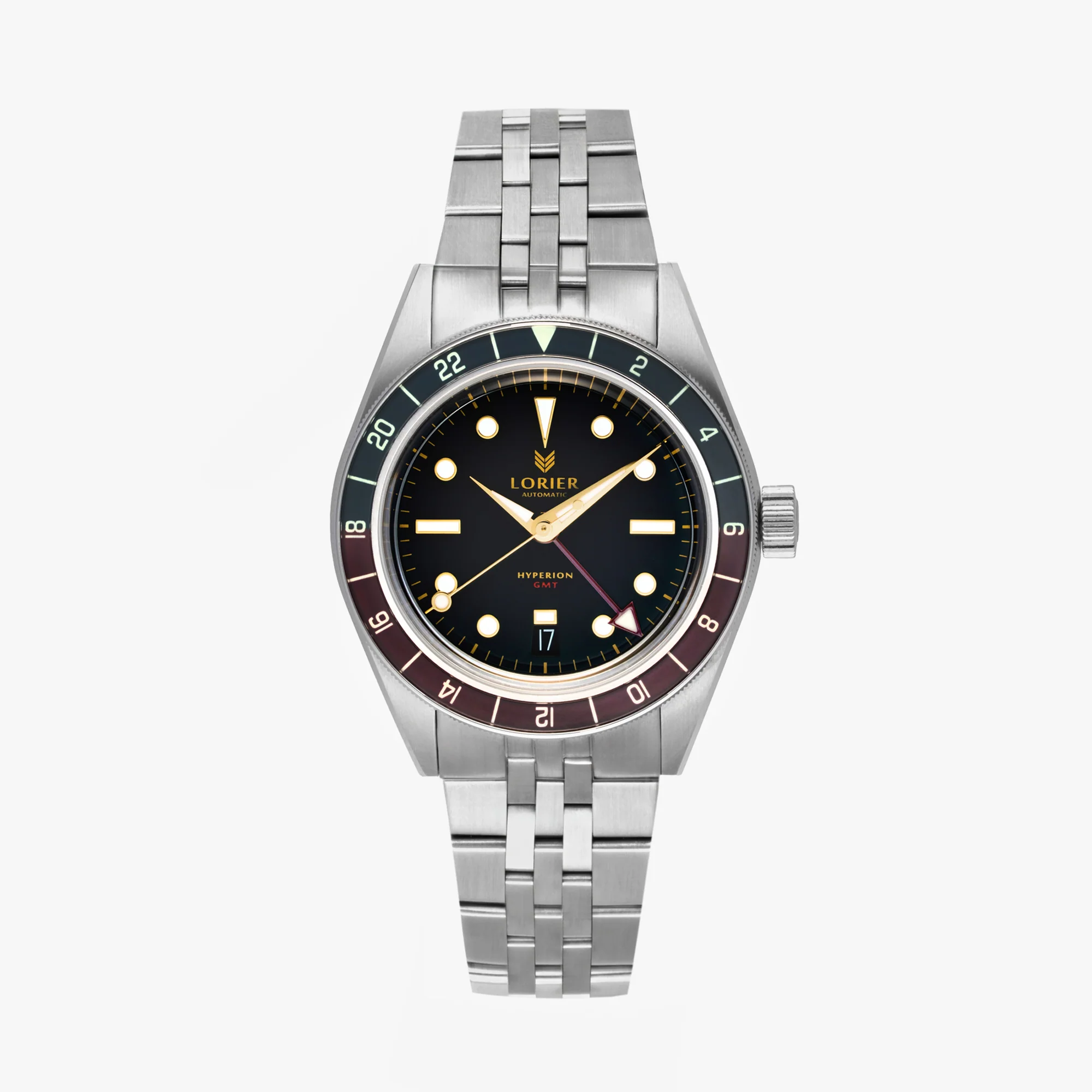
In brief. The Lorier deal is a test of whether infrastructure can be separated from authorship: Worn & Wound takes on the operational burden while the Ortegas remain responsible for the design language collectors recognise.[1] [2] [3] [4] [5] [6] [7] [8]
What Changed and What Stayed With the Founders
Worn & Wound acquired Lorier in July 2026 after discussions with founders Lauren and Lorenzo Ortega. The Ortega founders remain partial owners, retain creative stewardship and keep Lorenzo Ortega in the role of creative director.[1] [2]
The transaction changes control and resources without removing the founders from the product. Partial ownership and Lorenzo’s creative-director role preserve a formal link between authorship and the watches. Exact authority cannot be inferred beyond what the parties disclosed, because ownership percentages and detailed terms remain private.[1] [2]
For collectors, the relevant task is to separate what the sources document from what still requires experience. Clarify ownership, roles and creative authority without implying undisclosed deal terms. The cited material establishes these points, but it does not support broader claims about long-term ownership, measured performance or future market value.[1] [2]
When Demand Becomes an Operating Problem
Lorier’s two-person operation had struggled to meet demand, with stock shortages and rapid sell-outs becoming a recurring customer problem. The partnership gives Lorier access to customer service, fulfilment, procurement, logistics and other operating infrastructure.[3] [4]
Rapid sell-outs can look like success from outside while creating strain inside a small operation. Repeated shortages also frustrate customers and absorb founder time. The acquisition responds to that tension by moving operating burdens into a larger organisation rather than requiring the Ortegas to become logistics specialists.[3] [4]
For collectors, the relevant task is to separate what the sources document from what still requires experience. Trace stock shortages, founder workload and the risk of closing. The cited material establishes these points, but it does not support broader claims about long-term ownership, measured performance or future market value.[3] [4]
What Worn & Wound Actually Adds
The relaunched core collection contains the Neptune, Astra, Falcon and Hyperion. The Neptune, Astra and Falcon are priced at USD 699, while the Hyperion is priced at USD 799 on Lorier’s current store pages.[5] [6]
Customer service, procurement, fulfilment and logistics are not background concerns once demand grows. They determine whether a buyer can find a watch, receive it predictably and obtain support later. Worn & Wound’s contribution can therefore be measured in collector experience even if it remains invisible in the design.[5] [6]
For collectors, the relevant task is to separate what the sources document from what still requires experience. Explain fulfilment, service, procurement and logistics as collector-facing capabilities. The cited material establishes these points, but it does not support broader claims about long-term ownership, measured performance or future market value.[5] [6]
Four Familiar Watches Restart the Catalogue
The Hyperion uses the Miyota 9075 flyer GMT movement with an independently adjustable local hour hand. The Hodinkee interview frames the transaction as an alternative to winding down a brand whose growth had become difficult for its founders to manage.[7] [8]
Relaunching the Neptune, Astra, Falcon and Hyperion creates a concrete starting point for the new structure. Prices remain approachable within the independent market, and the Hyperion retains a flyer GMT movement. Familiar models make continuity easier to assess than an immediate catalogue built from unrelated new concepts.[7] [8]
For collectors, the relevant task is to separate what the sources document from what still requires experience. Map the Neptune, Astra, Falcon and Hyperion rather than treating the deal as abstract business news. The cited material establishes these points, but it does not support broader claims about long-term ownership, measured performance or future market value.[7] [8]
Can Scale Preserve Lorier’s Point of View?
Worn & Wound acquired Lorier in July 2026 after discussions with founders Lauren and Lorenzo Ortega. The Ortega founders remain partial owners, retain creative stewardship and keep Lorenzo Ortega in the role of creative director.[1] [2]
Scale will preserve Lorier’s point of view only if infrastructure remains a support rather than a substitute for design judgment. The parties present the deal as an alternative to winding down. Long-term availability, pricing and editorial-commercial boundaries cannot yet be measured from the announcement period alone.[1] [2]
For collectors, the relevant task is to separate what the sources document from what still requires experience. Set the future test around availability, design continuity and editorial-commercial boundaries. The purchase price, exact ownership percentages and financial terms are undisclosed; the parties are close industry participants, and the long-term effects on availability, pricing and editorial independence cannot yet be measured.[1] [2]
The Dial Brief view
Collectors should judge the deal by outcomes rather than ownership language alone. Better stock visibility, service response and fulfilment would show that added infrastructure is working. Stable design decisions would show that founder stewardship remains meaningful. The undisclosed percentages and purchase price matter to the companies, but the collector-facing test is whether access improves without turning Lorier into a generic catalogue brand.
What we know, and what remains unconfirmed
The purchase price, exact ownership percentages and financial terms are undisclosed; the parties are close industry participants, and the long-term effects on availability, pricing and editorial independence cannot yet be measured.